By Le Ren April,15,2019
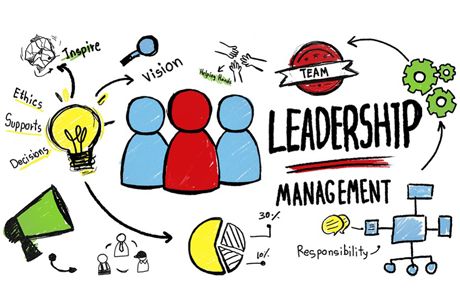
Visionary leadership is a style of leading others. “Ngai tahu’s dream is to have visionary and consistent leadership. Their goal is to have transparent, effective trusted tribal governance of their assets and tribal development journey.” (Ngai tahu.) “Vision is the foundation that allows the organization to flourish for goal achievement. Awareness of the organizational vision provides a directional compass for each contributor within the organization to follow.” Florida S.(2015).This style of leadership is very important to the company. Leaders are the core strength of the organization. When a visionary leader emerges, it will have a great encouragement to the organization. Their organizations unite and work together around a shared vision. This consistency gives the team a competitive advantage. This consistency gives the team a competitive advantage. Their organization unit around a shared vision.
Visionary leadership is a style of leading others. “Ngai tahu’s dream is to have visionary and consistent leadership. Their goal is to have transparent, effective trusted tribal governance of their assets and tribal development journey.” (Ngai tahu) . This style of leadership is very important to the company. Leaders are the core strength of the organization. When a visionary leader emerges, it will have a great encouragement to the organization. Their organizations unite and work together around a shared vision. This consistency gives the team a competitive advantage. This consistency gives the team a competitive advantage. Their organization unit around a shared vision.
A visionary leader brings cohesion to employees and organizations. In the face of some difficulties, they can clearly see the future development trends and trends, and deliver clear future goals to employees. A visionary leader can not be affected by setbacks, but instead analyze the results of the cause of the incident and explain the impact.
Since its inception, TeRūnanga has invested $320 million in the tribal vision. About $30 million is invested annually for social, cultural, environmental and political activities. Of course, the vision and ambition of the organization is far greater than their budget. Through direct distribution, project development and a talented professional team, TeRūnanga led a series of tribal development plans to benefit Papatipu Rūnanga.
This shows that forward-looking leaders drive Ngai tahu to develop better.
Participative leadership Participatory leadership is a management style that collects employee opinions on a regular basis or invites tribes and branch offices to attend meetings. The company is transparent to its employees, and the staff can understand the company’s problems and vote for a solution.(George N. Root III,2019)
“Ngai tahu’s goal is to have transparent, effective trusted tribal governance of our assets and tribal development journey.”(Ngai tahu)The purpose of transparency to the tribe is to increase tribal participation.The purpose of transparency to the tribe is to increase the participation of the tribe. Reducing the disruption that can be caused by excessive competition.
“Rather than seeing their peers as competitors, workers see their coworkers as associates working towards common goals that will benefit everyone.”(George N. Root III.2019)
When you encourage employees to comment on company issues, you get a variety of solutions to choose from. Ngai tahu not only collects opinions internally, but also accepts the ideas of external students. Employees are involved in the company’s decision-making process and employees must be closely involved in the company’s operations. At the same time, you can strengthen your familiarity with your management. Participatory leadership enables employees to use their creativity to develop more efficient workflows and increase company productivity
Managers can consider employee decisions, but ultimately, decisions made by managers may or may not include employee preferences. Managers can not only understand the ideas and opinions of the staff, but also the staff can work with the managers to make decisions.
Managers can also adopt a mixed management system to improve management effectiveness.
Behavioral Leadership Theory
Leadership behavior theory can be explained as their research object is the behavior of the leader. Researchers believe that leadership behavior is the most important, and it is the best predictor of the impact of his leadership on the most critical factors affecting leadership. (Behavioral Leadership Theory.(2019).)
Laissez-faire leadership, also known as delegative leadership, is a type of leadership style. In some cases, the laissez-faire leadership style can promote the maximum use of employees. On some specific tasks, the leaders have very little guidance and the followers are completely free to make decisions. To a large extent, employees are dissatisfied with leader decisions. Leaders provide employees with the tools and resources they need to help them when necessary, and team members are expected to solve problems themselves. Members will also do their best to complete the task in the direction that the leader is looking forward to. It also brings the relationship between leaders and members closer. Although some of the power is given to employees, leaders are still responsible for group decisions and actions. Does not affect the leader’s leadership.
Contingency Leadership Theory
The contingency theory raises the view that the success of a leader depends on the specific situation at hand. Existing factors have a major impact on the results(2017,n.a.)
Proficiency levels include the inability or unwillingness to perform tasks, as well as the willingness and ability to express. When a successful leader emerges, he will be willing to use his own leadership methods and methods suitable for organizational problem solving.
Tuckman
In 1965, Bruce Tuckman first proposed the team development model that formed the storm specification. They said that these stages are necessary and inevitable. These stages can help the team solve problems and complete the goals. Next the group starts to sort itself out and gain each other’s trust. After that, they accept others as they are and make an effort to move on. Team members are now competent, autonomous and able to handle the decision-making process without supervision. They can overcome difficulties and achieve the desired goals.
In the early days of Ngai tahu, there will be some internal comparisons and competitions. When the team encounters difficulties, the internals begin to accept each other, overcome the difficulties and tide over the difficulties together.
Situational Leadership
Situational leadership theory, the situational leadership model, is a model that is applicable to the development of organizational behavior management. You can’t participate in management in a single way, and you need to find a suitable way to manage according to the situation. The leader is still the focus of management. In the first phase, it shows high directive and low supportive behavior; in the second phase, it is usually expressed as high directive and high supportive behavior;In the third stage, it shows high supportive and low directive behavior; In the fourth stage, it presents low supportive and low directive behavior.
This theory is a good example of the changes in the instructional and supportive nature of an organization from the beginning of its management to management. For example, when Ngai tahu established a new planning organization, members began the first phase of evolution to the fourth stage. The second stage is when the enthusiasm is highest.
A visionary leader brings cohesion to employees and organizations. In the face of some difficulties, they can clearly see the future development trends and trends, and deliver clear future goals to employees. A visionary leader can not be affected by setbacks, but instead analyze the results of the cause of the incident and explain the impact.
Since its inception, TeRūnanga has invested $320 million in the tribal vision. About $30 million is invested annually for social, cultural, environmental and political activities. Of course, the vision and ambition of the organization is far greater than their budget. Through direct distribution, project development and a talented professional team, TeRūnanga led a series of tribal development plans to benefit Papatipu Rūnanga.
This shows that forward-looking leaders drive Ngai tahu to develop better.
“Participative leadership is a managerial style that invites input from employees on all or most company decisions. The staff is given pertinent information regarding company issues, and a majority vote determines the course of action the company will take.”(George N. Root III,2019)
“Ngai tahu’s goal is to have transparent, effective trusted tribal governance of our assets and tribal development journey.”(Ngai tahu)The purpose of transparency to the tribe is to increase tribal participation.The purpose of transparency to the tribe is to increase the participation of the tribe. Reducing the disruption that can be caused by excessive competition.
“Rather than seeing their peers as competitors, workers see their coworkers as associates working towards common goals that will benefit everyone.”(George N. Root III.2019)
When you encourage employees to comment on company issues, you get a variety of solutions to choose from. Ngai tahu not only collects opinions internally, but also accepts the ideas of external students. Employees are involved in the company’s decision-making process and employees must be closely involved in the company’s operations. At the same time, you can strengthen your familiarity with your management. Participatory leadership enables employees to use their creativity to develop more efficient workflows and increase company productivity
Managers can consider employee decisions, but ultimately, decisions made by managers may or may not include employee preferences.In addition to asking their subordinates for their ideas and opinions, management and subordinates must make a joint decision.
There is no management law that requires managers to choose one and only one management method. Choose the appropriate level of participation based on the size of your business.
Behavioral Leadership Theory
“Behavioral theories of leadership are classified as such because they focus on the study of specific behaviors of a leader. For behavioral theorists, a leader behavior is the best predictor of his leadership influences and as a result, is the best determinant of his or her leadership success.” (Behavioral Leadership Theory.(2019).)
Laissez-faire leadership, also known as delegative leadership, is a type of leadership style. In some cases, the laissez-faire leadership style can promote the maximum use of employees. On some specific tasks, the leaders have very little guidance and the followers are completely free to make decisions. To a large extent, employees are dissatisfied with leader decisions. Leaders provide employees with the tools and resources they need to help them when necessary, and team members are expected to solve problems themselves. Members will also do their best to complete the task in the direction that the leader is looking forward to. It also brings the relationship between leaders and members closer. Although some of the power is given to employees, leaders are still responsible for group decisions and actions. Does not affect the leader’s leadership.
Contingency Leadership Theory
“Contingency theories put forth the idea that the success of a leader hinges on the specific situation at hand.”(2017,n.a.) “Certain factors come into play that define whether a particular leader or leadership style will be effective for the given situation. Those factors include the task, the personality of the leader and the composition of the group that is meant to be led. Its basic assumption is that leadership – success or failure – is situational. Fiedler’s theory puts forth the idea that effective leadership hinges not only on the style used by the leader, but also on the control held over the situation.”( Leadership and The Contingency Theory.(2015).)
The maturity levels range from an incompetence or unwillingness to perform the task, to a willingness and ability to perform. The idea is that a successful leader will adapt leadership techniques to fit the maturity level of the group in question on a situational basis.
Tuckman
In 1965, Bruce Tuckman first proposed the team development model that formed the storm specification. They said that these stages are necessary and inevitable. These stages can help the team solve problems and complete the goals. Next the group starts to sort itself out and gain each other’s trust. After that, they accept others as they are and make an effort to move on. Team members are now competent, autonomous and able to handle the decision-making process without supervision. They can overcome difficulties and achieve the desired goals.
In the early days of Ngai tahu, there will be some internal comparisons and competitions. When the team encounters difficulties, the internals begin to accept each other, overcome the difficulties and tide over the difficulties together.
Situational Leadership
Situational Leadership Theory, or the Situational Leadership Model, is a model created by Paul Hersey and Ken Blanchard, developed while working on Management of Organizational Behavior. In the first phase, it shows high directive and low supportive behavior; in the second phase, it is usually expressed as high directive and high supportive behavior;In the third stage, it shows high supportive and low directive behavior; In the fourth stage, it presents low supportive and low directive behavior.
This theory is a good example of the changes in the instructional and supportive nature of an organization from the beginning of its management to management. For example, when Ngai tahu established a new planning organization, members began the first phase of evolution to the fourth stage. The second stage is when the enthusiasm is highest.

Definition of the leadership style:
“Leadership style is the manner and approach of providing direction, implementing plans, and motivating people. As seen by the employees, it includes the total pattern of explicit and implicit actions performed by their leader.” (Newstrom, Davis, 1993).
Features of Leadership:
1.Influence the behaviour of others
2.Inter-personal process
3.Attainment of common organizational goals
4.Continuous process
5.Group proces
6.Dependent on the situation
Leadership style.(2019).
A lot of theories are summarized above, and the leadership style of Ngai tahu CEO shows in the data that the new leadership style will be injected into the team. In the past, it has invested a lot of energy in developing regional goals. Leaders have clear plans and directions for the future, and extend the scope of development beyond the company to find more people to work with. While making changes, it also emphasizes that you cannot lose yourself. She also proposed more dialogues and connections to make people the driving force of their wishes. She has the opportunity to express her relative freedom to the organization. She is a very visionary leader. Leading Ngai tahu with a visionary leadership style.
Hypothetical scenario
Ngai tahu is New Zealand’s largest tourism organization. With the increase in popularity, there will be many tourists coming to experience, and it is obvious that there will be many overseas tourists. Hypothetical scenario: One day, Ngai Tahu’s tourism organization is facing an increase in tourists and needs to create new market projects to meet the needs of a large number of overseas tourists.
At this point, the leader needs to provide a planning team for the program to provide resources, trends and encouragement to the members. And give them the power to make decisions during planning. In this context, the level of innovation of program members will be enhanced, and key drivers will influence organizational strategy. When planners make good planning, it can reflect that leaders can influence organizational goals.
“The leadership qualities that influence the achievement of goals include the ability to create a clear vision, the ability to understand organizational culture, the ability to focus on performance development, and the ability to encourage innovation.”( Florida S.2015). These four qualities mention that the ability to encourage innovation affects the achievement of goals. What is shown in this hypothetical scenario is that if other conditions are met, if the leadership style is free enough to give the members the space and resources to play, the members give better results. Even in many cases you can try this leadership style, you can get different wonderful results.
Reference
Behavioral Leadership Theory.( 2019).Retrieved from https://www.leadership-central.com/behavioral-theories.html
Leadership and The Contingency Theory.(2015).Retrieved from https://www.villanovau.com/resources/leadership/leadership-and-contingency-theory/
Leadership.(1997).Retrieved from https://ngaitahu.iwi.nz/te-runanga-o-ngai-tahu/leadership/
Investing in our tribal future.(1997).Retrieved from https://ngaitahu.iwi.nz/te-runanga-o-ngai-tahu/leadership/investing-in-our-tribal-future/
Florida S.(2015).Leaders Influence Team Performance and Goal Achievement Retrieved from https://aboutleaders.com/leaders-influence-team-performance-and-goal-achievement/#gs.5bx33n
Leadership style.(2019).Retrieved from https://accountlearning.com/leadership-style-meaning-characteristics-of-leadership-style/
George N. Root III,(2019).Participative leadership.Retrieved from https://smallbusiness.chron.com/advantages-participative-leadership-17629.html
Student leadership.(2017.n.a.) Retrieved from https://graceland.libguides.com/c.php?g=477200&p=4567375
Florida S.2015.Leaders Influence Team Performance and Goal Achievement Retrieved from https://aboutleaders.com/leaders-influence-team-performance-and-goal-achievement/#gs.51x2hc

 leadership